Best Resin for Woodturning
If you are a woodturning enthusiast and are looking to innovate, one of the best things you can do is experiment with the material you are using. Wood, of course, is the primary and most obvious material you would use for this activity.
After all, it is called “wood” turning. However, if you are looking to change things up, then resin is an excellent contender for the types of material that you can use on a lathe.
Epoxy Resin on Amazon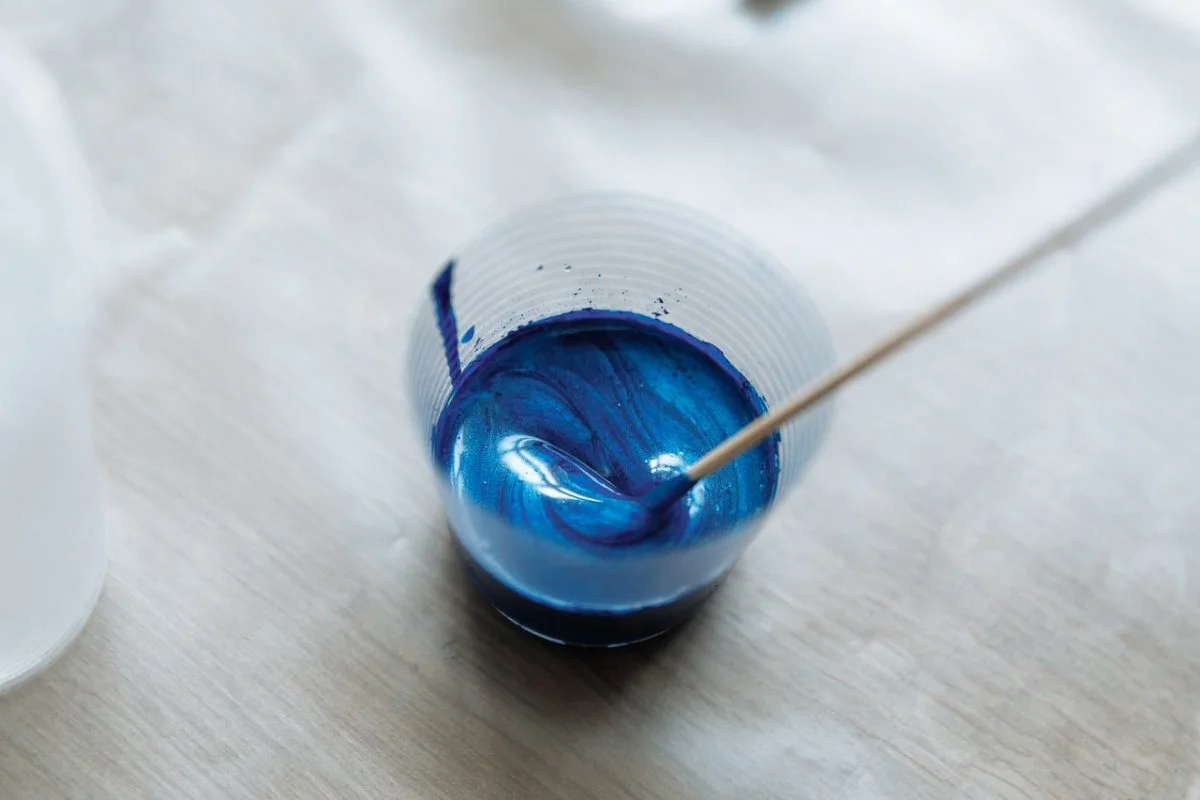
In the case of wood, you take a stock and turn it down to the shape you desire. With resin, however, you will need to let it set in a mold before the stock is ready for turning.
Once you have the desired mold, the technique applied should not be too different though you will need some practice since it is, after all, a different type of material.
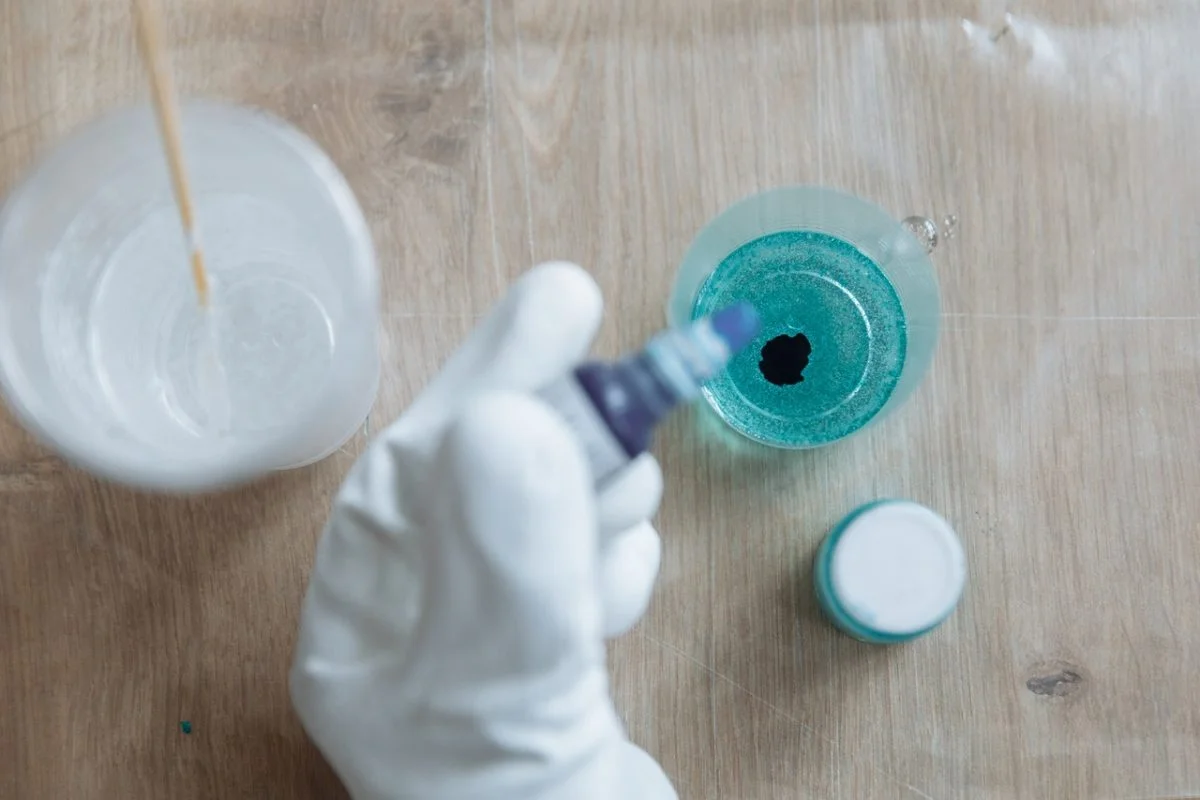
The good thing with resin is that you can also experiment with all kinds of coloring agents — liquid dyes, mica powders, and metallic powders like Alumidust — to introduce cool patterns into the mold. If you are looking to work with resin, the following are three of the most useful types of resin for woodturning.
About this guide — I'm Vince, founder of WoodturningOnline. I've cast and turned resin-wood hybrid blanks using several of these products. This guide covers what I've learned about cure times, bubble prevention, and which resins actually turn well on a lathe.
Polyester Resin
Polyester Resin on AmazonPolyester resin is one of the best types of resin you can use for woodturning. But before getting into further details about this type of resin, let it be known that polyester resin smells, and smells strong!
If you decide to use this material for woodturning, be sure to either be in a well-ventilated room or even better, take it outdoors! Take all the proper precautions before you start working with this material.
Having said that, polyester resin is a fairly strong material to work with on a lathe and is also less expensive compared to some other popular types of resin. There are two types of polyester resins that you may be encountered within the market. These are orthophthalic (for casual use and hobby enthusiasts) and isophthalic (for industrial use).
The latter has an incredible moisture-resistance property so if you are looking at a big project or are working on an item that may be surrounded by water, then this is a good option. If you simply want to experiment with polyester resin as a hobby, then orthophthalic resin is a good bet.
While these are the primary types of polyester resin, there are more that may be available in the market. All types of polyester resins are thermoset, which means they harden when heat is applied and cannot be melted again.
This means that if the resin is left unused for a while, it will start turning into a gel-like consistency on its own. At times, there may be a substance mixed with the resin which prevents it from hardening on its own but you cannot always rely on this.
Polyurethane Resin
Polyurethane Resin on AmazonPolyurethane resin is a very versatile material that is perfect for woodturning. While you may have seen polyurethane being used in a variety of different places, polyurethane resin has some distinct qualities that make it suitable for woodturning.
Like polyester resin, this variety of resins is also thermoset, though polyurethane requires a special hardener. Additionally, once the catalyst has been mixed with the material, typically, you will not have too much time to work with the material before it begins to set permanently.
It may vary from manufacturer to manufacturer, but typically the window is around six minutes. Polyurethane resin also tends to react poorly to moisture, so if you are working in humid conditions, this may not be the best type of material to work with.
This type of resin also tends to trap air bubbles under the surface, so you will need to apply a pressure pot immediately to remove all the bubbles. So while this is a fairly inexpensive material to use, there are a few limitations that you will need to keep in mind while working with this material.
Epoxy Resin
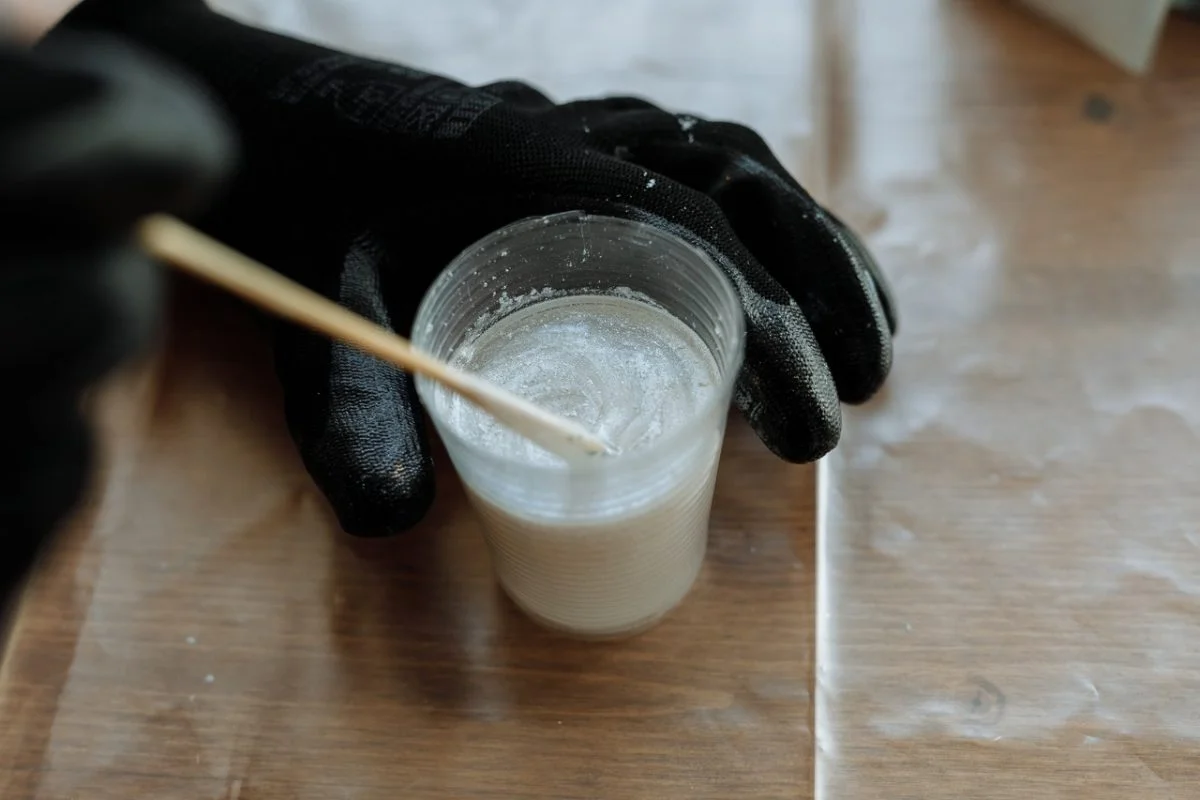
Epoxy Resin on AmazonSaving the best for the last, epoxy resin is something that can be used in all kinds of projects, big and small. This is an adhesive but depending on how it is applied, it can act differently in different circumstances. Epoxy, too, is a thermosetting agent.
However, unlike the two materials that have been described above, epoxy is the most flexible when it comes to the time it takes to harden. When left in its liquid state at room temperature, it will not harden.
Therefore, epoxy also requires a catalyst or a hardening agent to bring it to the desired state. There are three main types of epoxy resin that you can work with and all three have various combinations of hardeners that perform the required chemical reaction. These resins are bisphenol A, bisphenol F, and novolac.
Some of the common hardeners you can use with these resins are amines, sulfones, polyamides, etc. The final result that you get will depend on the type of epoxy resin you used first, and second on the type of hardener you used.
Surely, you would have a final look in mind when you get started with the project, so pick out the material accordingly. For example, some hardeners will keep the resin looking transparent at the end, while others may introduce color.
If you want the epoxy to shine at the end, you will probably have to use more resin than you otherwise would have or you may have to use a gloss sealer.
Tips for Turning Resin
Resin turns differently than wood, and a few adjustments will save you frustration:
- Use carbide tools — resin dulls HSS edges quickly, but carbide stays sharp much longer in synthetic materials.
- Keep RPM moderate (1,000–1,500 RPM for most pieces) — too fast generates heat that can melt the resin surface, too slow causes chipping.
- Take light cuts — heavy cuts can cause the resin to crack or chip, especially at the wood-resin boundary.
- Sand wet — sanding resin dry generates heat and clogs sandpaper. A few drops of water extend sandpaper life and prevent heat buildup.
- Finish with micro-mesh — for a glass-like finish on resin, sand through grits up to 12,000 using Micro-Mesh pads, then buff with a plastic polish.
Popular resin brands among turners include Alumilite (fast-cure, great for pen blanks), Alumilite Amazing Clear Cast (a crystal-clear casting resin favored for turning blanks), TotalBoat (deep-pour epoxy), ArtResin (UV-resistant, crystal clear), and EcoPoxy (bio-based, lower VOC).
Final Thoughts
While these are three of the best types of resins for woodturning, there are others worth experimenting with — including UV-cure resins for small blanks and bio-based options like EcoPoxy for environmentally-conscious turners. The key is matching your resin to your project: polyester for budget casting, polyurethane for fast turnaround, and epoxy for the clearest, most versatile results.
For inspiration on combining wood and resin, see our epoxy resin river table project. If you're dealing with punky or spalted wood, stabilizing resins like Cactus Juice can harden soft fibers before casting — you may also want to compare wood hardener vs epoxy for stabilizing blanks before turning.
Frequently Asked Questions
Written by Vince
Vince is a woodturner and the founder of WoodturningOnline. He writes tool reviews, buying guides, and turning tutorials to help woodturners at every level make informed decisions about their craft and equipment.